Doctors Reveal: The Surprising Health Benefits of Eating Onions Daily
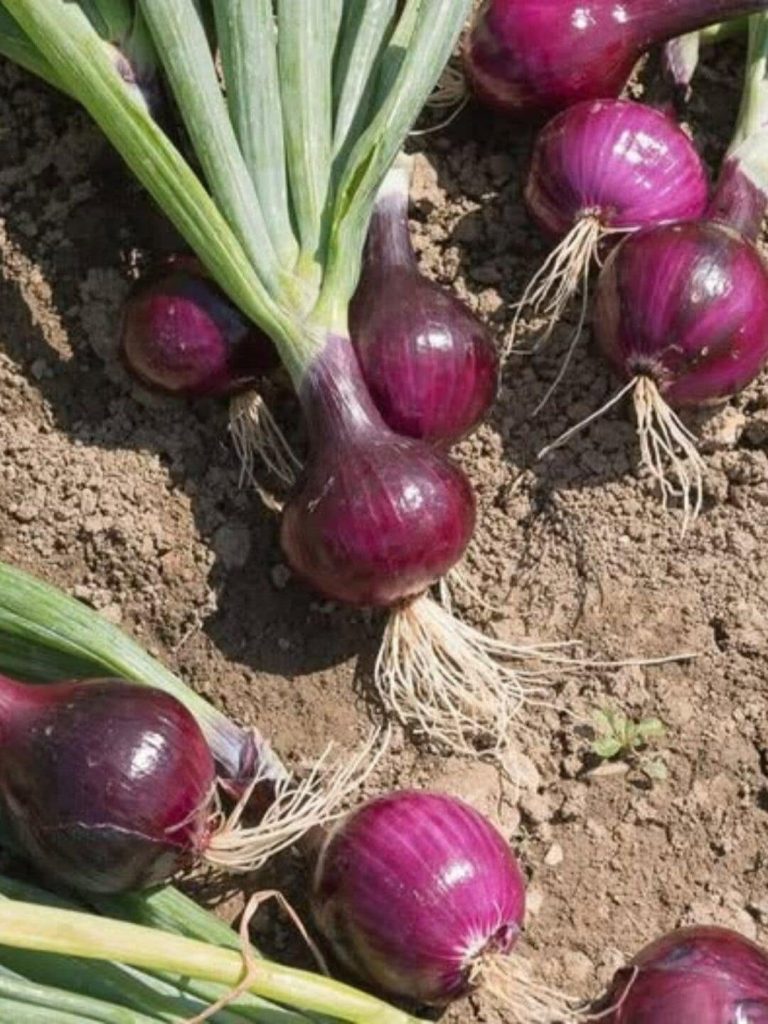
4. Your Bones May Become Stronger
This one surprises most people. Onions contain a peptide called GPCS (gamma-glutamyl-propenyl-cysteine sulfoxide) that has been shown in animal studies to inhibit bone breakdown and increase bone density.
A 2009 study of perimenopausal and postmenopausal women found that those who ate onions daily had a 20% lower risk of hip fracture compared to those who never ate onions. The more frequently women consumed onions, the greater the protective effect.
The takeaway: For bone health, onions deserve a place alongside calcium and vitamin D.
The Other Side of the Onion: When to Exercise Caution
Now, for the nuance doctors want you to understand. Onions are remarkably safe for most people, but they aren’t for everyone—and more isn’t always better.
1. Digestive Sensitivity
Onions are high in fermentable oligosaccharides (FODMAPs) . For individuals with irritable bowel syndrome (IBS) , small intestinal bacterial overgrowth (SIBO), or other functional gut disorders, onions can trigger:
-
Bloating and distension
-
Excessive gas
-
Abdominal pain
-
Altered bowel habits
What to do: If you have diagnosed IBS, work with a dietitian to determine your personal tolerance level. Some people can tolerate small amounts of cooked onion better than raw; others may need to avoid onions entirely during flare-ups.
2. Acid Reflux and Heartburn
Onions, particularly raw ones, can relax the lower esophageal sphincter, allowing stomach acid to splash upward. They may also delay gastric emptying, increasing pressure on the sphincter.
What to do: If you’re prone to reflux, try cooking onions thoroughly—this reduces their pungency and may make them better tolerated. Pay attention to your personal triggers.
3. Blood Sugar Considerations
While onions are low-glycemic and generally beneficial for blood sugar, some people experience reactive hypoglycemia after consuming them. This is uncommon but worth noting if you notice shakiness or fatigue after meals rich in onions.
What to do: Pair onions with protein, fat, and fiber to blunt any potential blood sugar response.
4. Blood Thinning Interactions
Onions contain small amounts of vitamin K and have mild antiplatelet effects. For most people, this is a benefit. However, if you take high-dose warfarin (Coumadin) or other blood thinners, dramatically increasing your onion intake could theoretically affect your INR levels.
What to do: You don’t need to avoid onions. Just be consistent. Don’t go from eating them rarely to eating massive amounts daily without informing your doctor and monitoring your levels.
How to Eat Onions Daily: Practical, Delicious Strategies
The goal isn’t to choke down raw onions you dislike. It’s to incorporate them in ways that feel natural and enjoyable.
Breakfast:
-
Sautéed onions and bell peppers folded into scrambled eggs
-
Thinly sliced scallions on avocado toast
-
Caramelized onions on a breakfast sandwich
Lunch:
-
Grated red onion in tuna or chicken salad
-
Pickled red onions on sandwiches and grain bowls
-
Thinly sliced raw onion in salads
Dinner:
-
Onion as the aromatic base for soups, stews, and sauces
-
Roasted onion wedges alongside roasted chicken or fish
-
Onion and mushroom galette or tart
Snacks:
-
Onion dip made with Greek yogurt (and yes, more onions!)
-
Roasted onion slices on crackers with soft cheese
Aim for: ½ to 1 medium onion daily, or about 50-100 grams. This is the amount associated with protective health benefits in most studies.
The Bottom Line
Onions are not a miracle cure. They won’t undo the effects of smoking, replace your blood pressure medication, or single-handedly prevent cancer. But they are a remarkable example of how small, consistent dietary habits accumulate into meaningful health outcomes.
Doctors reveal that eating onions daily is associated with:
-
Healthier hearts
-
More resilient guts
-
Stronger bones
-
Better immune function
-
Lower long-term disease risk
And perhaps most importantly, they make our food taste like home.
