Just One Spoonful Can Help Revive Struggling Plants
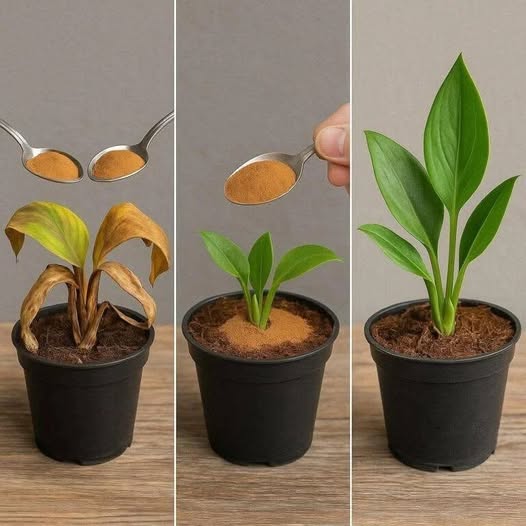
Tips for Best Results
- Water the soil evenly so the roots can absorb the nutrients efficiently.
- This solution can be used with many types of plants, including cacti, succulents, ornamental plants, tomatoes, peppers, orchids, and desert roses.
- Apply the fertilizer consistently but avoid overusing it.
- Follow the recommended application rate, as excessive nitrogen can damage plants, encourage weak growth, or reduce flowering in some species.
Why Nitrogen Matters
Nitrogen is an essential macronutrient that plants need to produce proteins and chlorophyll, the pigment responsible for photosynthesis. Without enough nitrogen, plants may grow slowly and develop pale or yellow leaves, a condition known as chlorosis.
Providing nitrogen through an appropriate fertilizer such as urea can help correct deficiencies when they exist, although yellow leaves and poor growth can also result from problems such as overwatering, underwatering, poor drainage, pests, disease, or deficiencies of other nutrients.
Conclusion
If your plants have stopped growing or appear unhealthy, a nitrogen fertilizer such as urea may help—provided that nitrogen deficiency is the underlying issue. A simple solution made with one tablespoon of urea dissolved in 2 liters of water can supply the nitrogen many plants need to produce healthy new growth.
Use the fertilizer carefully, apply it about every two weeks if appropriate, and observe how your plants respond. Combined with proper watering, adequate light, and suitable growing conditions, this simple treatment can help many plants become healthier and more vigorous.
