The fertilizer that makes your geraniums explode: the secret to spectacular flowering
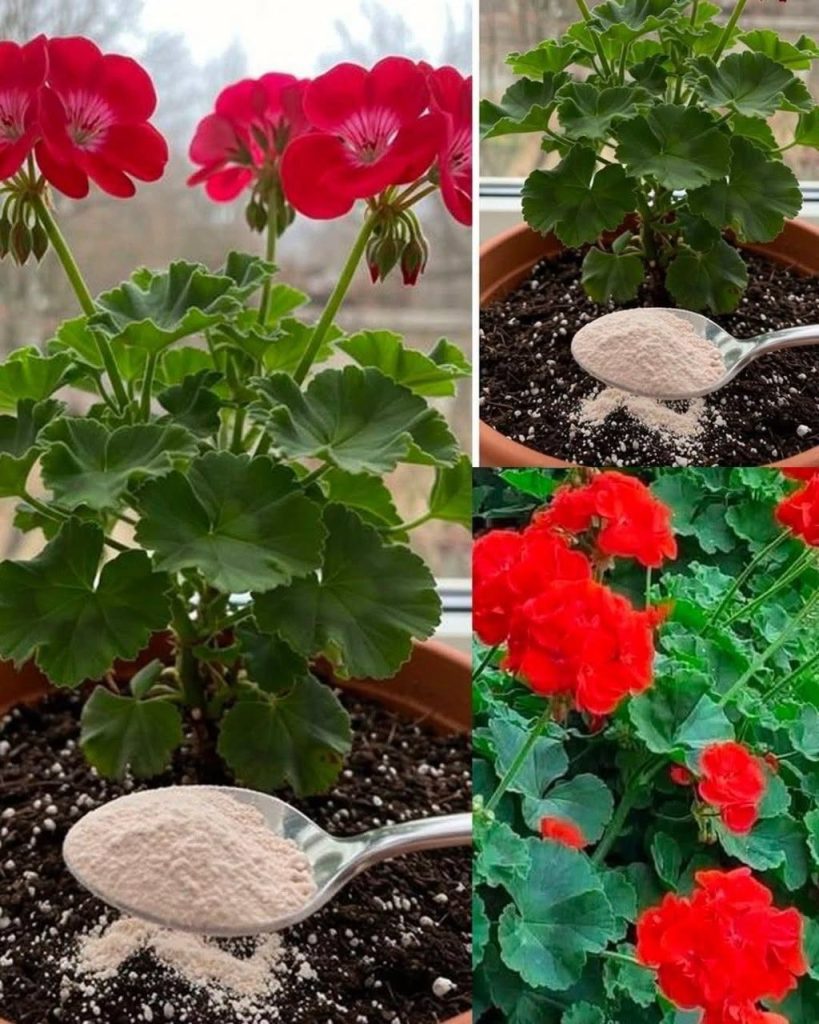
Geraniums are among the most popular plants for decorating balconies, terraces, patios, and gardens. Their vibrant colors, long flowering season, and relatively easy care make them a favorite for both experienced gardeners and beginners. With the right conditions, a few pots of geraniums can transform even the simplest outdoor space into a cheerful, colorful display.
But if you want your geraniums to become truly lush, healthy, and covered in flowers, simply giving them water and sunlight may not be enough. Like all flowering plants, geraniums need a steady supply of nutrients to support new growth and continuous blooming.
When the soil becomes depleted, the plant may produce fewer buds, grow more slowly, or develop pale and less vibrant foliage. This is where the right fertilizer can make a noticeable difference.
The Secret Is in the Right Nutrients
To encourage abundant flowering, geraniums need a fertilizer that supports both healthy growth and flower production. In particular, phosphorus and potassium play important roles during the flowering season.
Phosphorus helps support root development and flower formation, while potassium contributes to overall plant strength and can help the plant produce vibrant, long-lasting blooms. A fertilizer formulated specifically for flowering plants is often the easiest choice because it provides a combination of nutrients in proportions suitable for plants that are producing flowers.
Nitrogen is also necessary, especially for healthy leaves and stems, but it should not be overused. Too much nitrogen can encourage vigorous leafy growth at the expense of flowers. You may end up with a large, green plant that produces surprisingly few blooms.
For this reason, look for a balanced fertilizer intended for flowering plants, and follow the dosage instructions on the product rather than assuming that more fertilizer will produce more flowers.
When Should You Fertilize Geraniums?
Timing is just as important as choosing the fertilizer.
Spring is generally the ideal time to begin feeding geraniums, as increasing daylight and warmer temperatures encourage new growth. Once the plant begins actively growing, regular feeding can help provide the nutrients needed for continued flowering.
During the main growing and flowering season, many liquid fertilizers can be applied approximately every 10 to 14 days, depending on the product’s instructions. Slow-release fertilizers work differently and may only need to be applied occasionally.
The most important thing is consistency. Regular, moderate feeding is generally more beneficial than applying a large amount of fertilizer all at once.
If the plant is stressed by extreme heat, drought, or another problem, it is also better to address those conditions before increasing fertilizer. A struggling plant cannot always make good use of additional nutrients.
Liquid or Slow-Release Fertilizer?
There are several convenient ways to fertilize geraniums.
Liquid fertilizer is mixed with water and applied during regular watering. It is easy to adjust and is particularly convenient when you want to provide nutrients regularly throughout the flowering season.
Slow-release granular fertilizer is mixed into or placed on the soil and gradually releases nutrients over time. This can be a practical option for gardeners who prefer a lower-maintenance approach.
Neither method is automatically better for every gardener. The important factors are using the correct product, following the recommended dosage, and maintaining a consistent feeding routine.
Avoid applying concentrated fertilizer directly to dry roots, as this can potentially damage the plant. If the soil is very dry, watering appropriately before feeding can help reduce the risk of root stress.
Natural Alternatives for Feeding Geraniums
If you prefer more natural gardening methods, there are several homemade options that gardeners commonly use.
For example, nettle tea can be prepared as a natural plant feed and contains a range of minerals and nutrients. It is often used as a diluted liquid fertilizer for various garden plants.
Some gardeners also add organic materials such as compost to improve soil structure and gradually increase nutrient availability.
Coffee grounds and crushed eggshells are sometimes used around plants as well. However, these materials should not be considered a complete replacement for a balanced flowering-plant fertilizer. Coffee grounds, in particular, are often misunderstood: adding large quantities directly to the soil is not necessarily beneficial. If you use them, moderation and proper composting are preferable.
For the best results, natural amendments should be viewed as part of an overall soil-care routine rather than as a guaranteed shortcut to abundant flowers.
Sunlight Is Essential for Abundant Blooms
