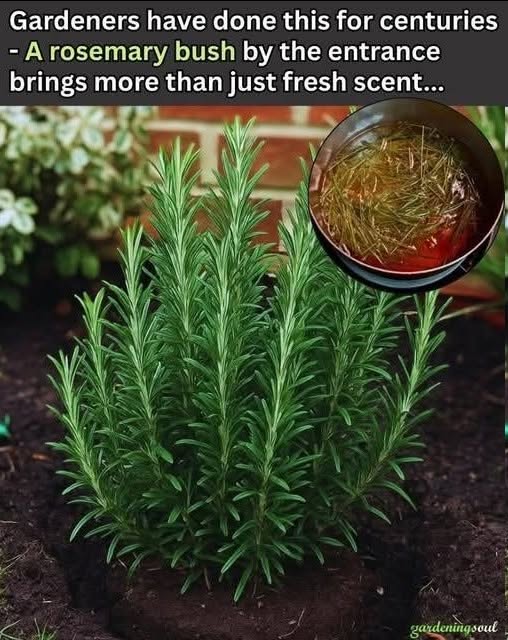
The Hidden Powers of Rosemary Bush – And Why You Should Plant It by the Door
Rosemary and Health: What Science Says
Rosemary has a long history of traditional medicinal use, and modern research has investigated many of its compounds and potential effects.
The plant contains naturally occurring compounds such as rosmarinic acid, carnosic acid, and carnosol, which have antioxidant and other biological properties.
However, traditional use and laboratory research should not automatically be interpreted as proof that rosemary can prevent or treat specific diseases.
Memory and Mental Performance
Rosemary’s connection with memory goes back centuries.
Modern research has also investigated whether rosemary aroma or its compounds may influence aspects of memory, attention, and cognitive performance. Some studies have reported interesting effects, although the evidence is not strong enough to treat rosemary as a medical therapy for memory problems.
Antioxidant Properties
Rosemary contains several compounds with antioxidant activity.
Antioxidants help protect cells from oxidative damage, which is one reason rosemary has attracted scientific interest.
Digestive Traditions
Rosemary has traditionally been used as a digestive herb, particularly for problems such as indigestion and bloating.
It is commonly consumed as a culinary herb or infusion, although concentrated preparations should be approached more cautiously.
Hair and Skin
Rosemary oil has also become popular in hair-care products.
Research has investigated rosemary preparations for hair growth, and some findings are promising. However, results from studies of specific preparations should not be generalized to every rosemary product or home remedy.
For skin and hair, concentrated essential oils should also be diluted appropriately because they can irritate the skin.
Rosemary in the Kitchen
One of rosemary’s greatest strengths is that it doesn’t require any special preparation to become useful.
Its pine-like, slightly peppery flavor works especially well with hearty foods.
With Meat
Rosemary pairs particularly well with:
-
Lamb
-
Chicken
-
Beef
-
Roasted meats
Its strong aroma helps balance rich flavors.
With Vegetables
Rosemary is a classic companion to roasted potatoes, but it also works beautifully with carrots, squash, onions, and other root vegetables.
In Bread and Oils
Fresh rosemary can be incorporated into homemade bread or used to flavor olive oil.
A few sprigs can add an unmistakable Mediterranean character to simple dishes.
In Herbal Infusions
Rosemary can also be prepared as an herbal infusion.
Its distinctive aroma makes it a refreshing alternative to ordinary tea, although herbal preparations should not be treated as substitutes for medical treatment.
How to Grow Rosemary by the Door
Beyond its symbolism, rosemary is an excellent plant for entrances, patios, balconies, and walkways because it generally prefers the same conditions found in many sunny Mediterranean environments.
Choose a Sunny Location
Rosemary grows best in full sun.
A location receiving roughly 6–8 hours of sunlight is generally ideal.
If you’re growing it in a container beside a doorway, choose the sunniest practical position.
Use Well-Draining Soil
Poor drainage is one of rosemary’s biggest problems.
The plant prefers soil that allows excess water to escape easily. Sandy or gritty soil can work well, while heavy, constantly wet soil can increase the risk of root problems.
Planting
When planting outdoors, choose a suitable time for your local climate and avoid periods when severe frost is expected.
If planting several rosemary bushes, give them enough space for air circulation and mature growth.
For container gardening, choose a pot with drainage holes.
Water Carefully
One of rosemary’s biggest advantages is its tolerance for relatively dry conditions once established.
Allow the soil to dry somewhat between waterings rather than keeping it constantly wet.
Overwatering is generally a greater concern than underwatering.
Prune and Harvest Regularly
Light pruning helps maintain a compact shape and encourages bushier growth.
You can harvest sprigs as needed, but avoid removing too much of the plant at once.
Regular harvesting can become part of the plant’s routine maintenance.
Protect It During Winter
In climates with harsh winters, rosemary may need additional protection.
Growing it in a container makes it easier to move the plant indoors during periods of severe cold. Indoors, give it plenty of light and avoid keeping the soil constantly wet.
Everyday Uses for Rosemary Near the Door
